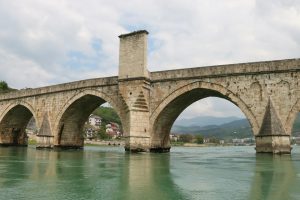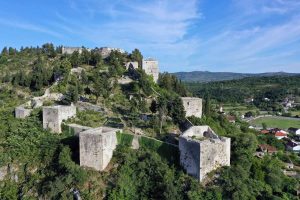
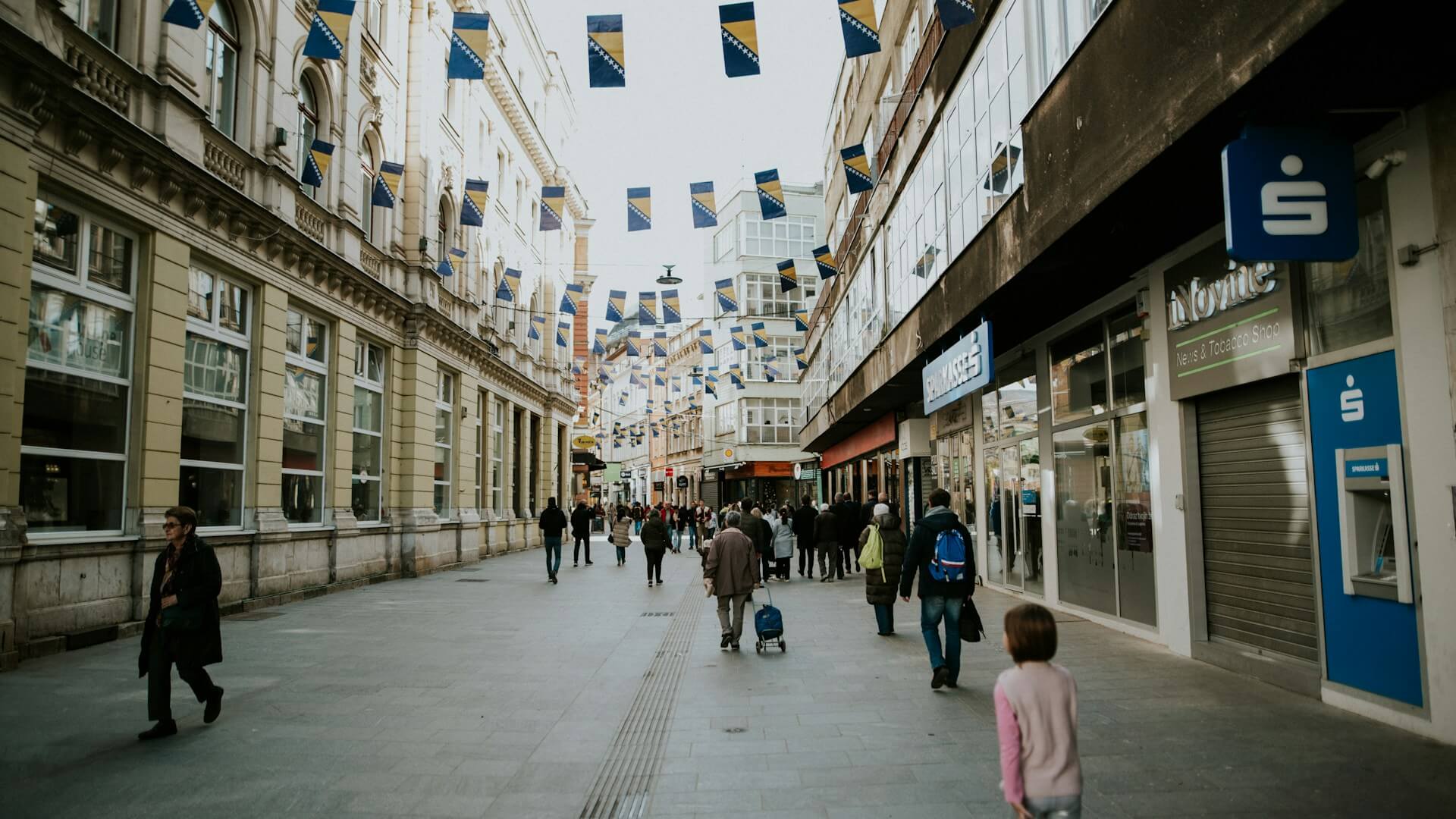
With stunning landscapes, rich history, and diverse culture, Bosnia and Herzegovina promises adventure and insight for every traveler. But you can only take in its full beauty if you’re well-prepared.
In this guide, you’ll find everything you need to know before visiting Bosnia and Herzegovina.
Your guide to Bosnia and Herzegovina
Understanding the country
When visiting any country, it’s important to be aware of its historical and political landscape. That way, you’ll understand the country’s identity better. You will also know what to expect, how to behave properly, and connect with locals.
What you should know about Bosnia and Herzegovina is that it’s made up of two main political entities: the Federation of Bosnia and Herzegovina and Republika Srpska, plus the small self-governing district of Brčko. The country is home to three main ethnic groups: Bosniaks, Croats and Serbs. Minorities include Jews, Roma, Albanians and others.
Bosnia and Herzegovina has a complex history, highlighted by the cultural influences of the Ottoman Empire, Austro-Hungarian rule, and the Yugoslav era. This is crucial in understanding the architecture, culture and customs of this little country.
You should also be aware of the Bosnian War which plagued the country from 1992 to 1995. So please keep in mind that while it’s important to familiarize yourself with this background, it’s still a sensitive topic. Make sure not to bring politics, ethnicity or the war up in conversation, unless a local does so first.
Travel documents and currency
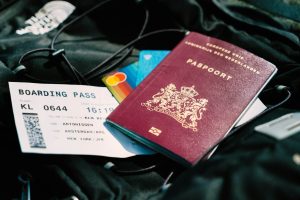
Ensure your passport is valid for at least six months beyond your intended stay. Depending on your nationality, you might need a visa, although many travelers can enter visa-free for up to 90 days within a 180-day period. Check the latest regulations to see what applies to you.
As for currency, Bosnia and Herzegovina uses the Bosnia and Herzegovina Convertible Mark (BAM). Foreign currencies are usually not accepted. In bigger cities, finding an exchange office won’t be an issue, but you can always exchange your currency in a bank.
Lastly, you should always keep some cash on you. In malls, supermarkets, clothing stores, doctor’s offices or pet shops for example, you can just swipe your card. But if you try using it in corner stores or souvenir shops and have no spare cash, you might be in for an awkward situation.
Language and communication
The official languages are Bosnian, Croatian, and Serbian, which are mutually intelligible. English is widely understood in urban areas, especially among the younger population. German may also be helpful. However, picking up a few basic Bosnian phrases can be hugely beneficial and greatly appreciated by the locals.
Health and safety precautions
Bosnia and Herzegovina is generally a safe destination. However, it’s always advisable to stay informed about your surroundings and follow safety advice.
Perhaps the biggest threat to safety are the areas with unexploded landmines from the war in the 1990s. So in case hiking is on your itinerary, make sure you stick to marked paths and heed local warnings.
We’d also advise you to get travel medical insurance before your trip. Moreover, be careful drinking tap water. While it’s generally safe to consume, it may cause an upset stomach due to a high concentration of limescale. Therefore, we recommend you stick to bottled water.
Weather and packing essentials
For the most part, Bosnia and Herzegovina experiences a continental climate, with hot summers and cold winters. The coastal and lowland areas in the south are warmer, with winters being milder, so the climate is essentially Mediterranean. Lastly, the mountain regions experience an alpine climate.
Depending on when and where you visit, pack accordingly. If traveling in summer, bring lightweight clothing, but also layers for cooler evenings. Keep in mind the hottest months are July and August, with temperatures often reaching 35 °C or higher.
In winter, especially if visiting the mountains, pack extremely warm, waterproof clothing. Don’t be surprised if the temperatures drop to -20 °C and even below, especially in January.
Finally, comfortable walking shoes are essential year-round, as Bosnia’s beautiful landscapes and historical sites often involve exploration on foot.
Cultural etiquette and local customs
For Bosnians, hospitality is a way of life. It’s customary to remove shoes when entering a home, and you might be offered Turkish coffee or rakija (fruit brandy) as a gesture of welcome.
When visiting religious sites, make sure to dress modestly. Always ask for permission before taking photos of people or their property. Moreover, make sure to show respect and formality around elders.
As for tipping culture, it’s not mandatory but it is appreciated. In restaurants, bars and cafes, it’s enough to tip 10-15%. For cabs, you can do the same or round up to the nearest whole number.
Attractions to visit
There’s an abundance of extraordinary places to see in Bosnia and Herzegovina. Whether you’re a nature lover, a history buff or urban explorer, there’s definitely something for you.
To get ideas about what to visit, check out our list of cities in Bosnia and Herzegovina. If you’re an outdoor enthusiast, see our list of natural places to see. And in case you’re going to Sarajevo, the capital, here are some tips on what you can do there.
Transportation and getting around
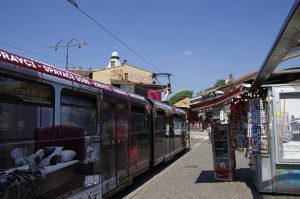
Public transportation is extremely affordable, with buses being the most common way to travel within or between cities. In Sarajevo specifically, you can get around the city quickly by tram. Trains operate on limited routes but offer scenic views, particularly the route from Sarajevo to Mostar.
Car rentals are also extremely popular, allowing you flexibility to explore at your own pace. However, you need to be mindful of local driving customs and conditions, of course. Parking may also be difficult to find, and it may be a little expensive in tourist areas. If you decide to rent a car, rest assured that we can assist you with that.
Finally, in case you need to take a cab, you can hail one or give them a call to pick you up. Should you need help with that, feel free to ask a local for help, as most Bosnians are happy to do so. Unfortunately, some cab drivers may want to take advantage of tourists and charge you more or in EUR instead of BAM. So always make sure the taxi meter is running and keep in mind that the prices are in BAM only.
Conclusion
We hope you’re feeling ready for your trip to Bosnia and Herzegovina. And if not, or if you need additional help with accommodation, your itinerary, or anything else, we’re here. Let us organize your perfect experience in this beautiful country!