First time visitor to Bosnia and Herzegovina? We’ve got you covered. Here are 49 things to know before traveling to our magical country!
Cultural & historical insights
1. Learn basic greetings. Start with greetings like “Dobro jutro/Dobar dan/Dobro veče” (Good morning/afternoon/evening) and “Hvala” (Thank you). Most people do speak English, but learning some basic phrases breaks the ice and shows appreciation for the culture. If you’d like the challenge of learning even more, here’s a list of 80+ useful phrases in Bosnian.
2. Respect the country’s history. Be aware of and sensitive to Bosnia and Herzegovina’s tumultuous past, especially the 1990s conflict. When visiting sites like the Srebrenica Memorial Center, conduct yourself respectfully.
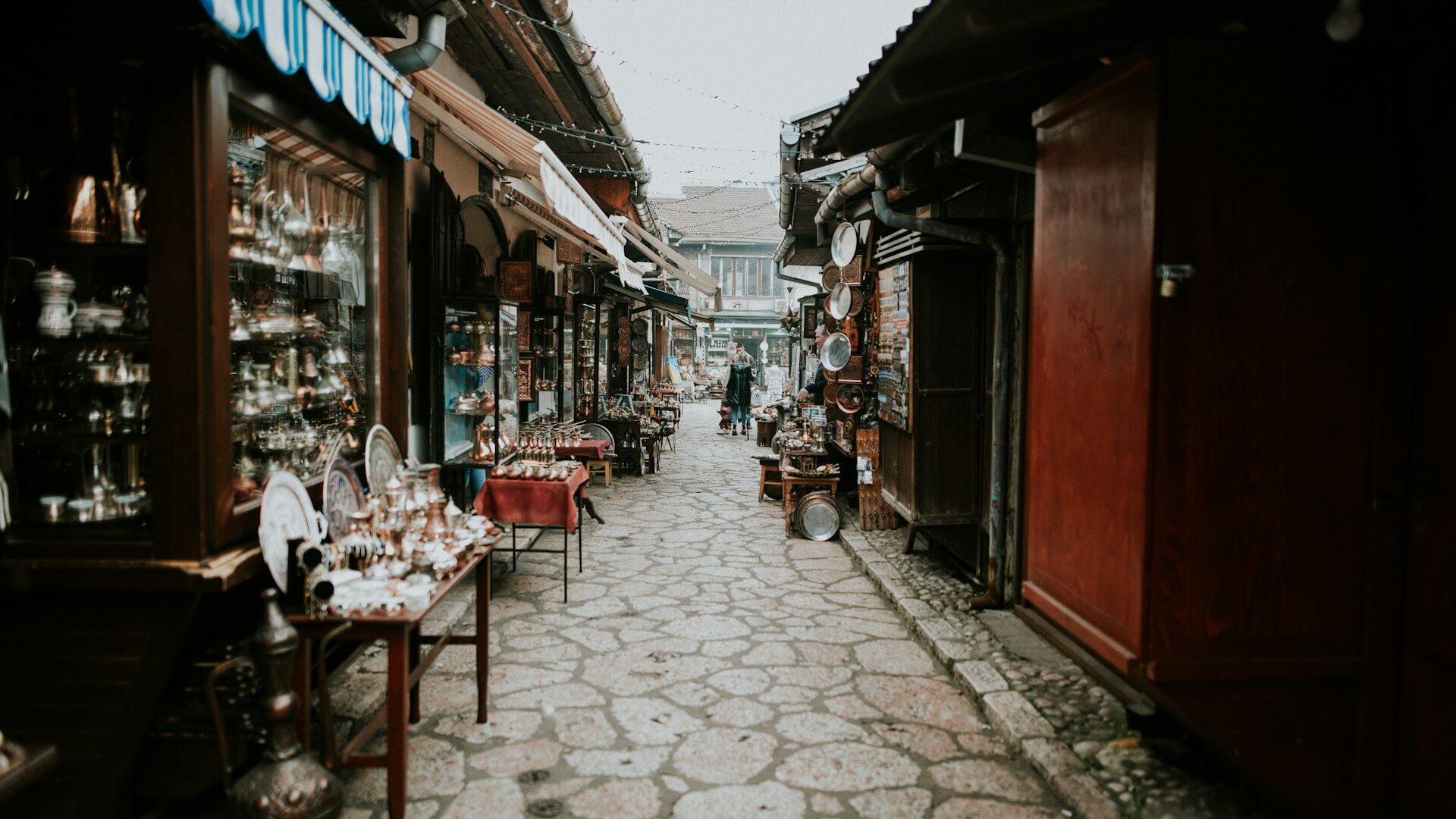
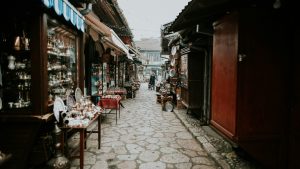
3. Explore Sarajevo. Spend time in the capital. Visit the Latin Bridge, as well as the Ottoman-influenced Baščaršija market. There are plenty of things to do, depending on your preferences.
4. Visit Mostar. Visit the Old Bridge (Stari Most) and watch local divers leap into the Neretva river below.
5. Go to historical museums. To get a glimpse into the country’s rich history, visit museums like the History Museum of Bosnia and Herzegovina, Sarajevo’s Tunnel of Hope, Museum of Crimes Against Humanity and Genocide 1992-1995, etc.
6. Visit religious landmarks. Explore places like the Gazi Husrev-beg Mosque, one of the most significant Islamic sites in the Balkans.
7. Avoid political discussions. Steer clear of deep political discussions unless invited.
8. Attend local festivals. Time your visit during events like the Sarajevo Film Festival, Jazz Fest, Una Regatta or the Festival of scrambled eggs for a deeper cultural experience.
9. Explore other cities. Beyond Sarajevo and Mostar, visit lesser known towns. An example is Travnik, known for its Ottoman architecture and history.
Travel logistics
10. Currency. The Bosnian currency is the Bosnian Convertible Mark (BAM), and it is the only accepted currency. Unfortunately, foreign currencies aren’t accepted, even if it’s a widely used one like EUR or USD.
11. Check visa requirements. Citizens from the EU, US, and many others do not need a visa for short stays. Always verify requirements based on your nationality.
12. Local SIM cards or eSIM. Upon arrival, purchase a local SIM card / eSIM from providers like BH Telecom for cost-effective data and calls.
13. Transportation. Buses are affordable for intercity travel, while trains offer scenic views but are slower. In Sarajevo, trams are the most convenient way to get around the city. With taxis, be careful not to get ripped off and always ask for the meter to be on.
14. Local transportation companies. Centrotrans is the most reliable and best-known local transportation company.
15. Rent a car. For exploring remote areas or visiting more cities, consider renting a car. Roads are generally well-maintained, but be cautious of mountainous terrain.
16. Cash payments. Cards are widely accepted, especially in urban centers, but we recommend you carry cash for smaller towns and vendors.
17. Bring a travel adapter. Bosnia uses type C and F plugs, similar to much of Europe. Bring a universal adapter if necessary.
18. Navigation tools. Download apps like Google Maps offline for navigation, especially if traveling to remote areas with limited connectivity. Be warned that the maps may not be fully accurate or up-to-date, but they should be useful nonetheless.
19. Keep IDs handy. While traveling between different regions, always have a form of identification ready, like a passport or ID card.
Exploring nature & unique spots
20. Explore the magical nature of Bosnia and Herzegovina. Visit the Sutjeska, Una and Kozara national parks as well as the incredible mountains around the country, etc. We have plenty of articles where you can find inspiration.
21. River rafting. Looking for an adrenaline rush? The Neretva and Una rivers offer excellent rafting experiences. Book tours in advance, particularly in summer.
22. Hiking. Hike in the Dinaric Alps, where trails like those on Mount Visočica offer breathtaking views.
23. Wildlife watching. Participate in guided tours in nature reserves like Hutovo Blato, known for birdwatching and rich biodiversity.
24. Visit the Kravice Waterfalls. Enjoy a swim or picnic at this natural attraction near the town of Ljubuški.
25. Explore the Vrelo Bune. Visit this stunning spring near Blagaj, emerging from a cliffside, with the historic Dervish monastery nearby.
26. Explore Tito’s Bunker. This used to be a nuclear bunker and is now a fascinating museum near Konjic.
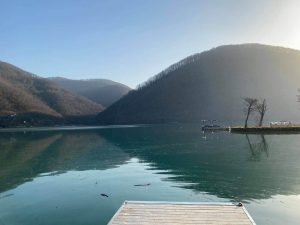
27. Discover Prokoško lake. This lake in the Vranica mountain range is ideal for a peaceful day trip.
28. Visit tranquil lakes. Explore places like Lake Jablanica, where you can rent a boat or enjoy fishing, and other lakes.
29. Go canyoning. Experience the adrenaline of canyoning in the pristine Rakitnica Canyon near Konjic.
Food & drink
30. Try the local cuisine. Eat Bosnian dishes like ćevapi, sarma, burek, and Bosanski lonac.
31. Participate in the coffee culture. Relax in a street-side cafe and try traditional Bosnian coffee served in a džezva, with a side of Turkish delight.
32. Drink local beverages. Try rakija, a potent fruit brandy, and enjoy Bosnia’s growing variety of craft beers.
33. Local wineries. The southern area is known for its wines. Visit wineries near Međugorje or Trebinje for tastings, focusing on the Žilavka and Blatina varieties.
34. Experience local markets. Sarajevo markets like the Markale offer fresh produce and traditional foods. Engage with vendors for authentic interactions.
35. Try pita varieties. Beyond Burek, taste sirnica (cheese), krompiruša (potato), or zeljanica (spinach and cheese pie).
36. Enjoy traditional desserts. Don’t miss out on baklava, tufahija and kadaif.
37. Visit the Sarajevo Brewery. Discover the history of Bosnia’s oldest brewery and sample its beers in Sarajevo.
38. Street food adventures. Enjoy fast local delicacies at street stands.
39. Indulge in ice cream. Many cities offer artisanal ice creams, with unique flavors worth a try on sunny days.
Health & safety
40. Safety first. Bosnia is generally safe, but in tourist areas, be mindful of pickpockets. Secure your belongings and avoid secluded areas at night.
41. Health precautions. Always make sure you have travel insurance.
42. Bring necessary medications. Carry all essential personal medications, as some may not be available locally.
43. Emergency numbers. Dial 122 for police, 123 for firefighters, and 124 for ambulance services.
44. Water safety. Tap water is generally safe to drink, but may cause an upset stomach due to a high concentration of limescale. We recommend you opt for bottled water.
Etiquette & respect
45. Respect religious sites. Dress modestly when visiting religious locations.
46. Photography etiquette. Ask for permission before photographing locals, especially in rural areas or sensitive historical sites.
47. Tipping etiquette. Tipping is not required, but it’s appreciated. Round up the bill or leave a 10% tip in restaurants, cafes, and to taxi drivers.
48. Respect smoking areas. Smoking is common and allowed in many public places, so if you’re a smoker it shouldn’t be difficult to find a smoking area. Do check for designated smoke-free areas and respect the rules.
49. Engage with locals respectfully. Bosnians are known for their hospitality. Being open and respectful will enhance your interactions and cultural understanding.
Follow these tips for an awesome travel experience in Bosnia and Herzegovina.
Need help planning your trip? Let us know. We can get everything arranged for you. All you need to do is fully immerse yourself in Bosnia’s complex history, vibrant culture and natural beauty!